
“I don’t feel like myself anymore.”
It’s one of the most common things women say when they walk through our doors.
They’re exhausted despite getting enough sleep. They’ve gained weight without changing their diet. Their emotions feel unpredictable. They can’t concentrate, their anxiety has skyrocketed, and they wonder if they’re simply getting older—or if something else is happening.
The truth is, for many women, these are the first signs of perimenopause.
If you’ve been asking yourself, “Am I in perimenopause?”, you’re not alone.
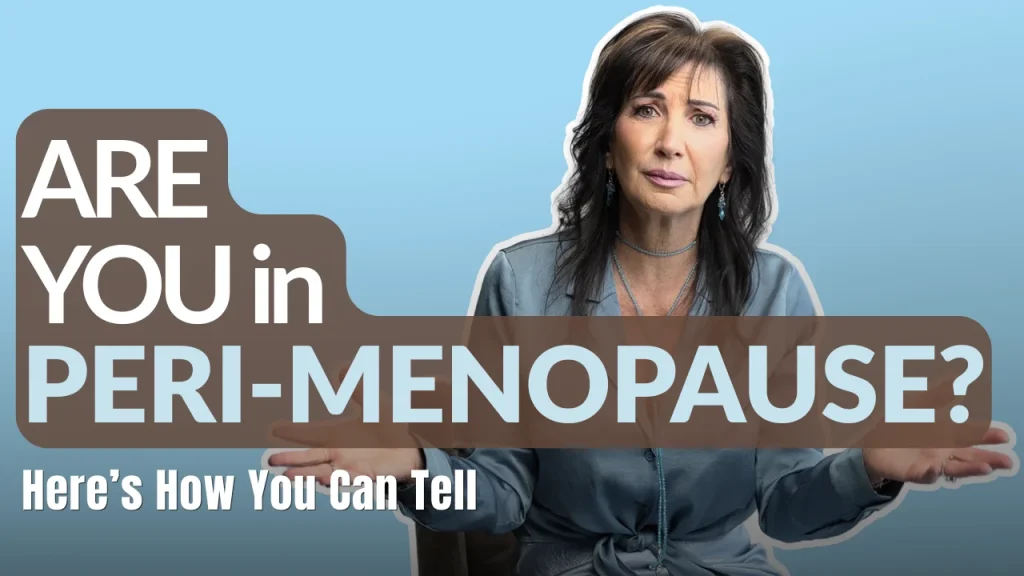
Watch Dr. Shari Caplan explain the early signs of perimenopause in our latest video:
At VitalityMD in Toronto, we’ve spent more than 16 years helping women navigate the hormonal changes that occur during perimenopause and menopause. We believe every woman deserves to feel heard, validated, and empowered—not dismissed or told that her symptoms are simply “part of getting older.”
What Is Perimenopause?
Perimenopause is the transitional stage leading up to menopause. During this time, your ovaries gradually produce less estrogen and progesterone, causing hormone levels to fluctuate.
Many women assume menopause begins when their periods stop. In reality, perimenopause can begin 5 to 10 years earlier, sometimes even in your late 30s.
These hormonal fluctuations affect far more than your menstrual cycle — they influence your brain, metabolism, muscles, sleep, mood, heart health, bones, bladder, skin, and sexual wellness.
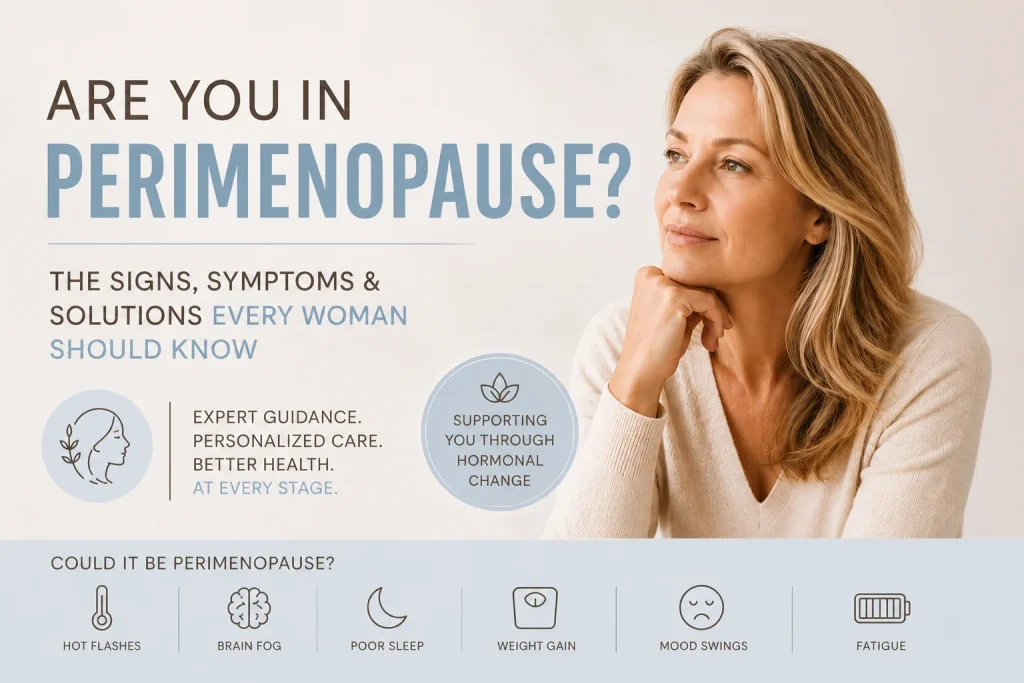
Common Symptoms of Perimenopause
Every woman experiences perimenopause differently, but some of the most common symptoms include:
- Irregular or heavier periods
- Hot flashes and night sweats
- Brain fog
- Difficulty concentrating
- Anxiety
- Depression
- Mood swings
- Fatigue
- Poor sleep
- Weight gain, especially around the abdomen
- Loss of muscle mass
- Lower libido
- Vaginal dryness
- Pain during intimacy
- Urinary urgency or leakage
- Joint aches
- Low motivation
Many women experience several of these symptoms at once, making it difficult to recognize that hormones may be playing a role.
“My Bloodwork Was Normal…”
One of the biggest misconceptions about perimenopause is that a single blood test can diagnose it.
Because hormone levels fluctuate significantly throughout perimenopause, laboratory results may appear “normal” even when symptoms are very real.
This is why experienced menopause providers look at the entire clinical picture, including your symptoms, medical history, age, menstrual changes, lifestyle, and overall health — not just lab values.
At VitalityMD, we treat women, not just numbers on a lab report.
Why Women Gain Weight During Perimenopause
One of the most frustrating symptoms women experience is unexplained weight gain—particularly around the abdomen.
Declining estrogen levels change how your body stores fat while age-related muscle loss slows your metabolism.
This combination often leads to:
- Increased visceral (deep abdominal) fat
- Reduced muscle mass
- Lower energy expenditure
- Greater insulin resistance
- More difficulty maintaining a healthy weight
The good news is that this isn’t simply about willpower. It’s physiology.
Why Brain Fog Happens
Many women describe feeling like they “can’t think.”
They forget words mid-sentence. Walk into rooms and forget why. Lose focus at work. Feel mentally exhausted.
Estrogen plays an important role in brain function, memory, mood regulation, and cognitive performance. When hormone levels fluctuate, many women experience noticeable cognitive changes.
If you’ve wondered whether your brain fog is “just stress,” hormones may be contributing more than you realize.
Menopause Is More Than Hot Flashes
While hot flashes receive the most attention, they are only one part of menopause. Hormonal changes can affect nearly every body system, including:
- Cardiovascular health
- Bone density
- Metabolism
- Muscle strength
- Mental health
- Sexual wellness
- Urinary health
- Sleep quality
- Skin and collagen production
This is why a comprehensive approach often produces the best outcomes.
A Personalized Approach to Perimenopause at VitalityMD
There is no one-size-fits-all treatment for perimenopause. Every woman’s symptoms, health history, goals, and hormone profile are different. That’s why our approach is personalized.
Hormone Replacement Therapy (HRT)
For many women Hormone Replacement Therapy (HRT) can safely and effectively reduce symptoms such as hot flashes, night sweats, mood changes, sleep disruption, vaginal dryness, and brain fog while also supporting long-term bone and cardiovascular health when appropriate.
We carefully assess each patient to determine whether hormone therapy is right for her.
Emsculpt NEO: Building Muscle While Reducing Visceral Fat
Perimenopause often brings muscle loss and increased abdominal fat.
Emsculpt NEO helps address both by simultaneously building muscle and reducing fat using advanced electromagnetic and radio-frequency technology.
For women struggling with changing body composition despite healthy habits, Emsculpt can complement nutrition, exercise, and medical weight management.
Exomind: Supporting Mental Clarity and Emotional Wellness
Brain fog, anxiety, burnout, and mood changes are among the most overlooked symptoms of perimenopause.
Exomind is an innovative non-invasive treatment that uses transcranial magnetic stimulation (TMS) technology to target areas of the brain involved in mood regulation and cognitive function.
Many women seek Exomind to improve focus, mental clarity, motivation, and emotional resilience during hormonal transition.
Emsella: Strengthening the Pelvic Floor
Hormonal changes, pregnancy, childbirth, and aging can weaken the pelvic floor. This may contribute to:
- Urinary leakage
- Urgency
- Reduced core strength
- Sexual dysfunction
Emsella strengthens the pelvic floor without surgery or downtime, helping many women regain confidence and bladder control.
Intimate Health Treatments
Many women silently struggle with painful intercourse, vaginal dryness, decreased sensation, and reduced sexual satisfaction.
These symptoms are common but they are also treatable. VitalityMD offers advanced intimate wellness treatments including:
- *The O-Shot®
- Emfemme 360
These therapies are designed to improve vaginal health, comfort, tissue quality, lubrication, and sexual wellness, helping women feel more like themselves again.
You Deserve to Feel Like Yourself Again
Perhaps the most important thing we tell women is this:
You are not imagining your symptoms.
You are not “too young.”
You are not “just stressed.”
And you do not have to suffer in silence.
For more than 16 years, Dr. Shari Caplan and the team at VitalityMD have been committed to listening, educating, and empowering women through every stage of hormonal health.
Whether you’re just beginning to notice changes or have been struggling for years, there are evidence-based treatments that can help you feel stronger, clearer, healthier, and more confident.
Frequently Asked Questions
What age does perimenopause usually begin?
Many women begin experiencing symptoms between ages 40 and 45, although some notice hormonal changes as early as their late 30s.
How long does perimenopause last?
Perimenopause typically lasts between four and eight years, although every woman’s experience is unique.
Can you have perimenopause with regular periods?
Yes. Hormonal fluctuations often begin long before periods become irregular.
Is weight gain during perimenopause normal?
Yes. Hormonal changes, declining muscle mass, and metabolic changes commonly contribute to abdominal weight gain.
Can brain fog be caused by perimenopause?
Absolutely. Many women experience difficulty concentrating, memory changes, reduced focus, and mental fatigue during perimenopause.
Ready to Take Control of Your Health?
If you think you may be experiencing perimenopause or menopause, you don’t have to navigate it alone.
At VitalityMD, we provide personalized assessments and evidence-based treatment plans designed around your unique symptoms and goals.
Because menopause isn’t the end of feeling like yourself, with the right support, it can be the beginning of feeling your best.
Supported by scientific evidence.